
Daily Nutrition
Vitamin D and Magnesium in a Daily Supplement Stack: An Editorial Observation
Marcus Chen··9 min read
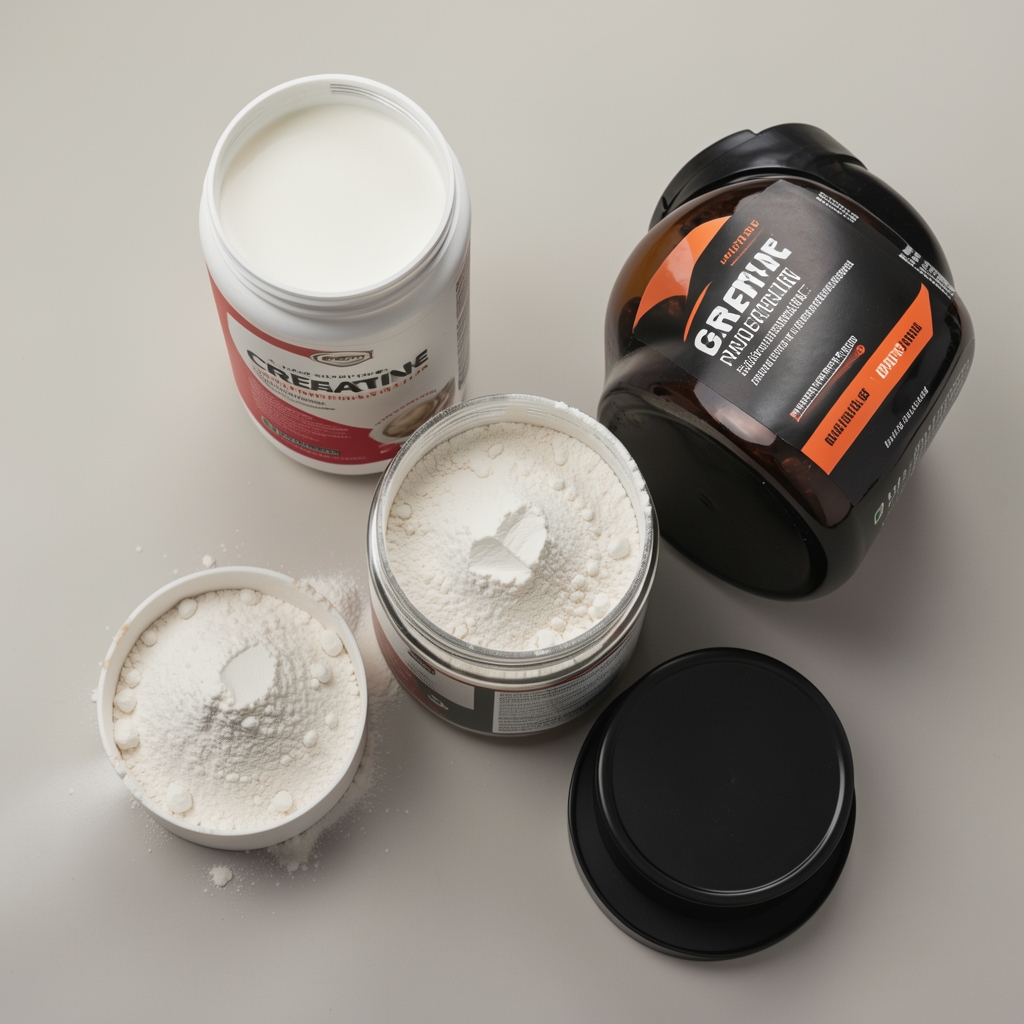
Creatine monohydrate is one of the most extensively researched compounds in the sports nutrition literature. Its presence in the published record stretches back to the early 1990s, and the volume of peer-reviewed research examining its role in physical output — particularly in resistance training contexts — is larger than that surrounding almost any other supplement in the men's nutrition category. This editorial draws on that literature to present an evidence-informed overview of what creatine does, how it is most commonly used in men's active routines, and what the research does and does not support.
Creatine is a naturally occurring compound synthesised in the body from three amino acids: glycine, arginine, and methionine. It is also present in red meat and fish. The body stores creatine primarily in skeletal muscle, where it plays a role in the rapid resynthesis of adenosine triphosphate (ATP) — the immediate energy currency of muscle contraction. When creatine stores in the muscle are higher, the rate at which ATP can be resynthesised during short bursts of high-intensity effort is correspondingly higher.
This mechanism is why creatine is most frequently associated with resistance training, sprinting, and other activities characterised by brief, high-intensity efforts rather than sustained endurance work. The published literature is clear that creatine's primary contribution is to physical output during these specific activity patterns. Its role in endurance activities — longer-duration, lower-intensity effort — is documented less consistently across the research base.
The International Society of Sports Nutrition published a position stand on creatine monohydrate in 2017, updated subsequently, which summarised the research base as follows: creatine monohydrate is the most effective nutritional supplement available for men engaged in resistance training contexts with the goal of improving high-intensity physical output over time. The paper drew on more than five hundred published studies and found consistent support for creatine's contribution to physical output in this context.
A 2021 meta-analysis in the Journal of Strength and Conditioning Research examined sixty-six independent studies and found that creatine supplementation was associated with meaningful improvements in measures of strength and power output across short-duration, high-intensity tasks. The effect was observed across training histories from beginner to advanced levels, and across age ranges from young adults to older adults engaged in resistance training.
The editorial team at Ulano Review reviewed these and other sources during preparation of this piece. The consistency of the finding across multiple independent research groups, over more than three decades, represents an unusually robust evidence base in a category — sports nutrition — where the research quality is often variable.
"Few supplements in the men's nutrition category carry a research record that spans three decades and multiple independent research groups. Creatine monohydrate is the notable exception."
The most common approach in the published literature involves a daily maintenance dose — typically 3 to 5 grams of creatine monohydrate — taken consistently over an extended period. Loading protocols, which involve higher daily doses for a shorter initial period to saturate muscle creatine stores more rapidly, are documented in the literature but not universally recommended across more recent guidelines, which note that the same saturation is achievable over a longer period with a maintenance-only approach.
In practical terms, creatine monohydrate is a relatively inexpensive, unflavoured powder that dissolves in water and is commonly included in morning supplement routines or post-workout recovery stacks. Its timing relative to training — pre-workout versus post-workout — has been examined in the literature, with some evidence suggesting a slight advantage for post-workout consumption in resistance training contexts. The difference observed across studies is modest, and consistent daily intake appears to be the primary variable of practical significance.
Creatine is frequently paired with protein in daily supplement stacks. The combination reflects the complementary roles of the two in supporting physical output over time: creatine contributes to the energy system underlying short-duration effort, while adequate daily protein intake supports the recovery and adaptation process between training sessions. The Ulano Review editorial view is that this pairing is logical from a nutritional standpoint and well-supported across the published literature.
The creatine literature is clear about what it supports and, equally importantly, what it does not. Creatine is not a shortcut to physical development absent consistent training. The published research consistently shows that creatine's contribution to physical output is observed in individuals who are training regularly — the supplement supports the training process, it does not replace it.
The men's supplement category includes a significant volume of commercial content that attributes exaggerated outcomes to creatine use. This publication's editorial practice is to draw a clear line between what the published research shows and what commercial communication asserts. The research supports: a modest but consistent improvement in high-intensity physical output, maintained over time with consistent daily supplementation and regular resistance training. It does not support: rapid changes in body composition without training, or outcomes that arrive independently of effort.
While creatine addresses the energy-availability dimension of physical output, omega-3 fatty acids appear in the literature in a complementary context: joint comfort awareness and recovery rhythm. Published research on omega-3 supplementation in active adults notes its contribution to daily nutritional variety and the management of post-exercise recovery awareness. EPA and DHA — the two marine-derived omega-3 forms most frequently cited in the research — appear in multiple guidelines for active adult nutrition alongside creatine, forming a logical extension of the stack for men who train regularly.
The combination of creatine, omega-3, and protein — sometimes extended to include vitamin D and magnesium as examined in the previous Ulano Review editorial — represents a daily supplement stack for which the published research base is more substantial than for most alternatives in the men's nutrition category. This publication will continue to document that research base as the literature develops.
Articles published on Ulano Review are editorial in nature and reflect the writers' observations on everyday supplementation habits and nutritional awareness for active men. The content is not intended as professional advice, nor as guidance for the management of any specific condition. Readers with specific concerns about their daily routines are encouraged to speak with a qualified wellness professional.


Marcus Chen is the lead editor of Ulano Review. His editorial work draws on the published nutritional research literature to present evidence-informed observations on supplement habits and active lifestyle routines for men in Southeast Asia.
More from this author →